
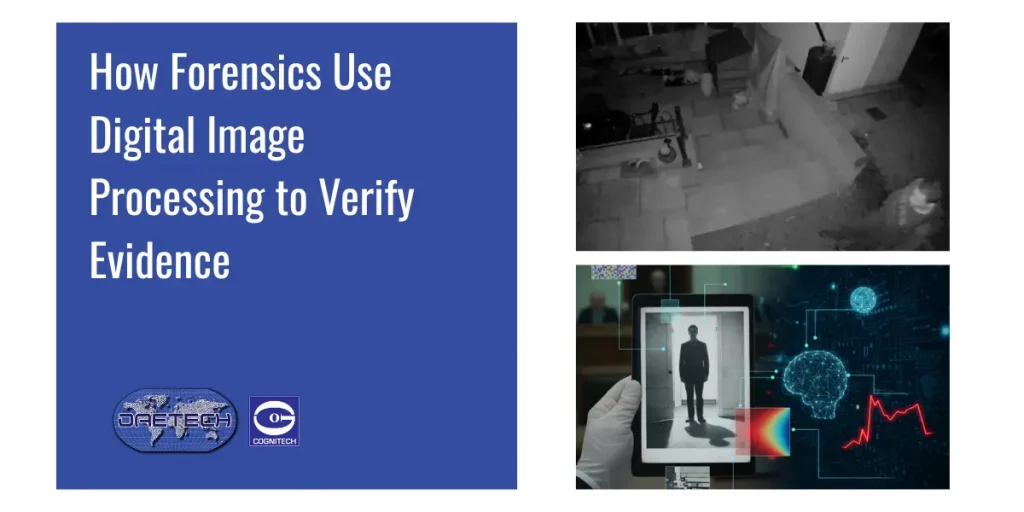
When a crime happens, photos and videos often become the most important pieces of evidence. They can show faces, objects, locations, timestamps, and even tiny clues that people may miss. But today, anyone can edit a photo. Anyone can change a scene with simple apps. Because of that, forensic teams need strong tools to make sure each image is real.
This is where digital image processing plays a huge role. It helps experts check if a photo is original or edited. And with the help of advanced image analysis software, they can look deeper than the human eye ever could.
One solution built for this work is forensic image authentication. It’s a powerful toolkit used by law enforcement, intelligence agencies, counter-terrorism units, and forensic labs. It helps them investigate evidence, detect tampering, and confirm if an image is trustworthy.
Let’s explore how this process works and why it matters so much today.
Why Digital Images Need Verification
Think about how easy it is to edit a photo. You can erase people, add objects, change backgrounds, or adjust details. Some edits are harmless. But in a police case, a fake image can completely change the story.
Forensic examiners need to be 100% sure the image they are looking at is real. A court needs that same level of confidence. Digital image processing makes it possible to see beyond the surface.
It helps experts:
- Find fake edits
- Spot hidden changes
- Compare original files with suspicious ones
- Confirm if an image came from a real camera
- Detect if someone tried to cover something up
Without this kind of work, fake images could be used to mislead investigators or even win cases unfairly. Truth matters, and digital image processing helps protect it.
How Digital Image Processing Works in Forensics
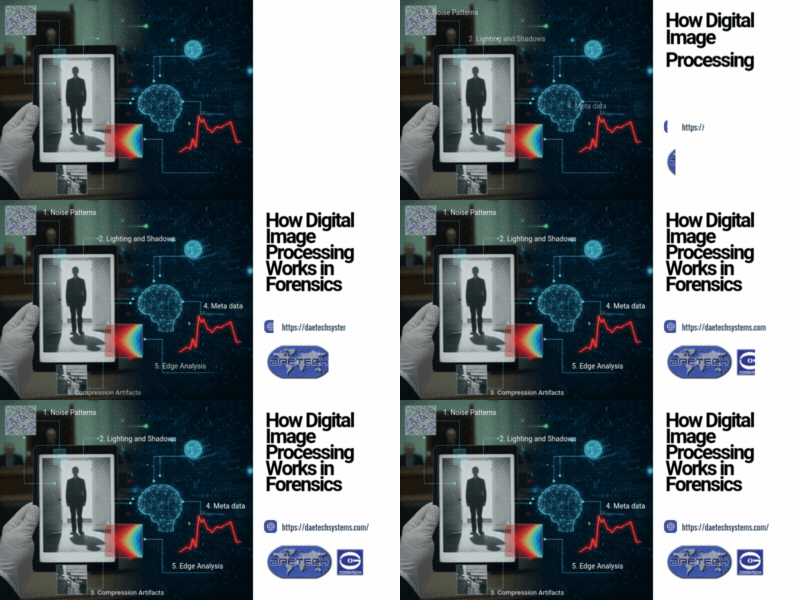
The process may sound complex, but here’s the simple version: forensic tools break the image down into tiny pieces and study each part. Every pixel. Every line. Every pattern.
Using image analysis software, experts can inspect things like:
1. Noise Patterns
Real cameras leave natural “noise” in every image. It’s like a digital fingerprint. If an edited part lacks that noise, the software picks it up instantly.
2. Lighting and Shadows
If a person or object was added later, the shadows may not match. Forensic tools can check this with high accuracy.
3. Compression Artifacts
Each time an image is saved or edited, it leaves marks. These marks help experts tell if something was changed.
4. Meta data
Every photo has hidden data – location, camera type, date, and more. But fake images often have missing or suspicious metadata.
5. Edge Analysis
If someone cuts and pastes part of an image, the edges usually give it away. Digital tools can zoom in far enough to spot it.
With Forensic image authentication, the process becomes even stronger. FiA can pinpoint exactly where changes were made and show a map of possible manipulation. This makes it easier for examiners to explain their findings in a clear, visual way.
Verify the Truth with FiA
Get the image analysis software built exclusively for Law Enforcement Agencies. Detect tampering, confirm authenticity, and protect the integrity of your cases.
Contact UsHow Forensic Image Authentication Support
FiA isn’t just any image analysis software. It was created specifically for law enforcement and national security agencies. Every feature is designed for real investigations – not casual editing.
Here’s what makes FiA important in the forensic world:
- Built for Authentication
FiA can scan an image and highlight areas that may be fake or altered. It doesn’t just guess. It uses proven forensic science to detect inconsistencies. - Court-Ready Reports
Forensics isn’t only about finding the truth. It’s also about proving it. Forensic image authentication generates detailed reports that can be used in court. These reports help judges and juries understand what happened to the image. - Deep Digital Image Processing Tools
FiA includes advanced tools that can analyze even small details – patterns, layers, shapes, colors, compression, and more. It digs deeper than most software. - Trusted by Experts
FiA is used by agencies around the world. It has years of research behind it, and new updates keep expanding its digital image processing abilities – now even for video authentication.
For investigators, this means they can trust the results. And trust matters when someone’s life or freedom is on the line.
Why This Work Matters
In today’s world, fake content can spread fast. A modified photo can ruin someone’s reputation or mislead an entire investigation. Forensic experts need strong tools to make sure what they see is real.
Digital image processing helps protect the truth. And powerful image analysis software like FiA gives experts what they need to verify evidence with confidence.
FAQs
1. Why do forensics use digital image processing?
Forensics uses digital image processing to check if a photo is real or edited. It helps them find clues, spot changes, and confirm that the image can be trusted.
2. What is image analysis software used for in investigations?
Image analysis software helps experts study each part of a photo. It shows noise patterns, shadows, edges, and other details that reveal if the image was changed.
3. Can edited or fake images be detected easily?
Yes. Modern tools can detect edits that people can’t see with their eyes. Even small changes leave digital marks that software can find.
4. How does FiA help forensic teams?
FiA gives agencies advanced tools to detect tampering, confirm authenticity, and create court-ready reports. It was designed only for law enforcement and forensic labs.
5. Why is image verification important in court?
Courts need proof that an image is real. If a photo is fake or edited, it can mislead investigators or affect the case. Verification protects the truth.