Image Forensics in the Age of AI: Detecting Synthetic Media from Image Generation Models
Imagine you work claims at an insurer, and someone sends in a photo of their flooded kitchen. Looks right. Ruined


Imagine you work claims at an insurer, and someone sends in a photo of their flooded kitchen. Looks right. Ruined
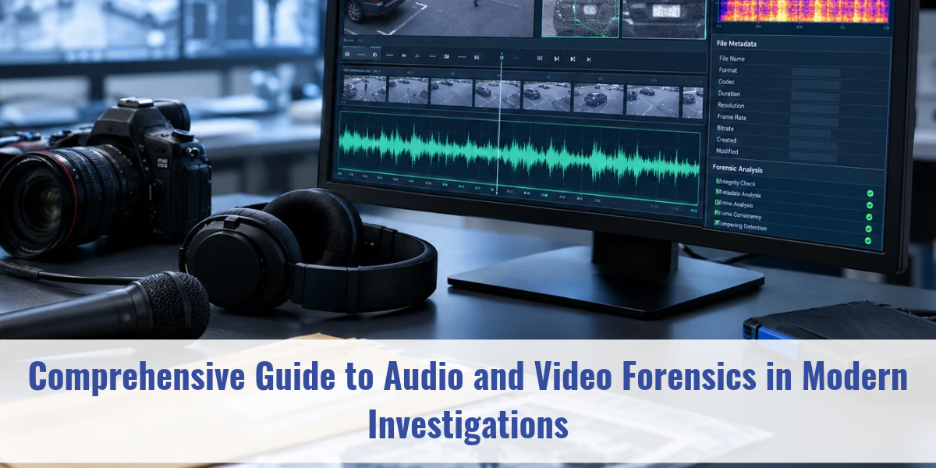
A grainy parking lot clip. A voicemail recorded through a noisy phone line. A body-cam file that stops three seconds
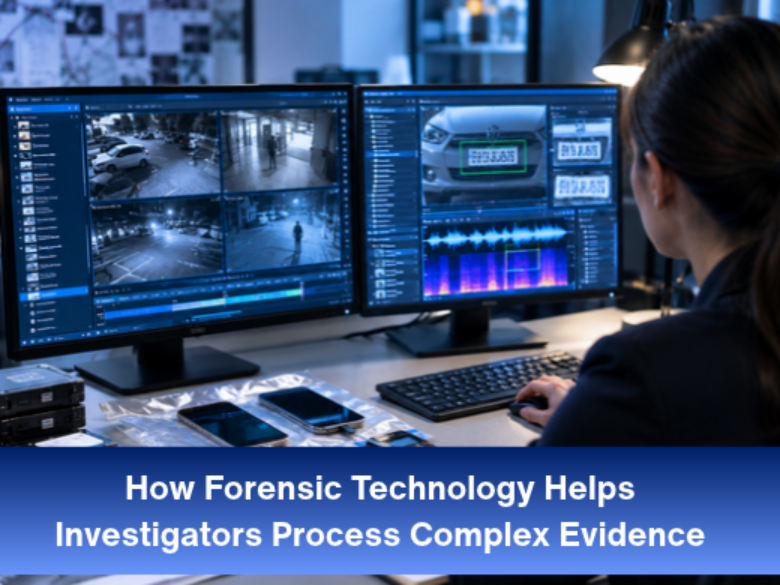
Imagine an investigator on a Monday morning with an open case file of dozens of hours of CCTV from three
Picture a CCTV recorder bolted to a back-office wall. Someone unplugs it, drops it in a bag, and hooks it
A digital forensic investigation rarely starts with a clear picture. It usually begins with a device, a drive, or a
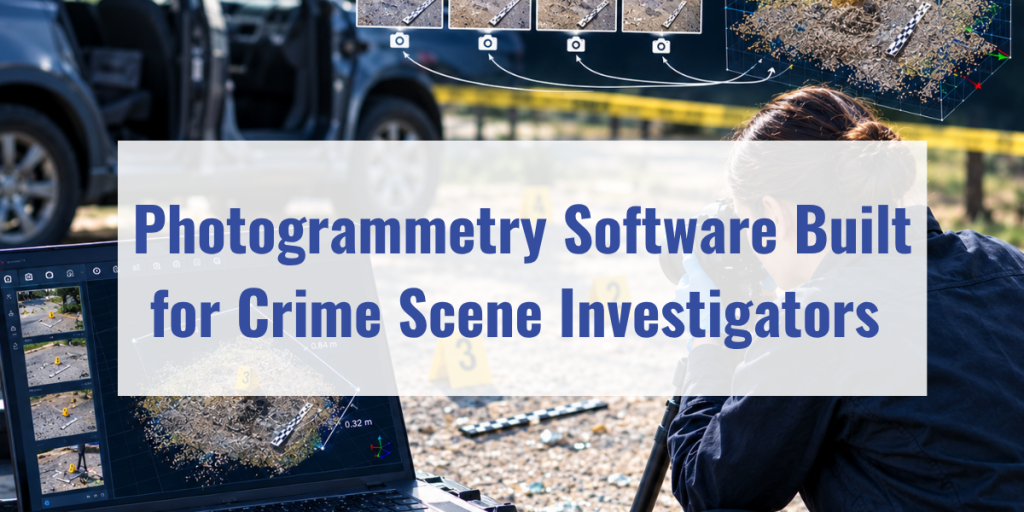
A crime scene doesn’t wait. Evidence gets moved, weather changes, a room gets released back to its owner and once
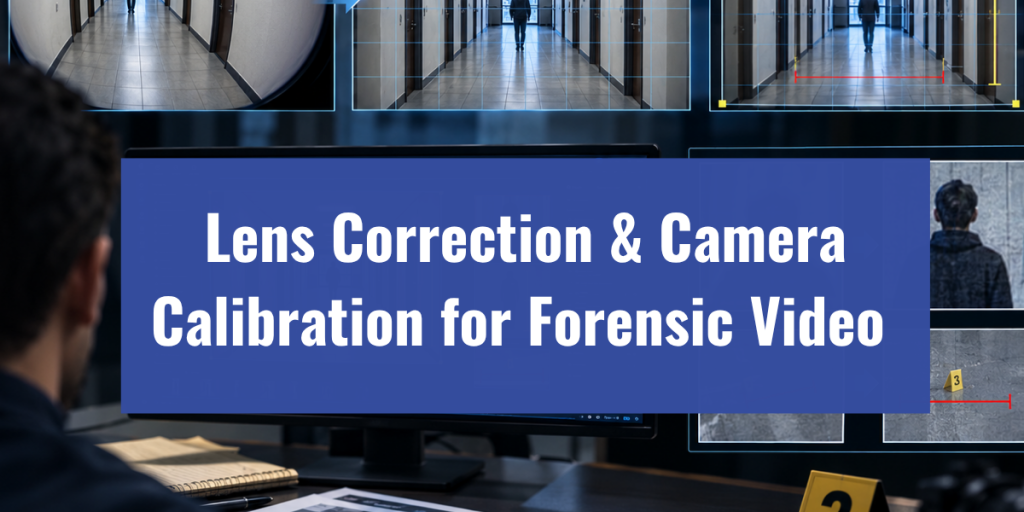
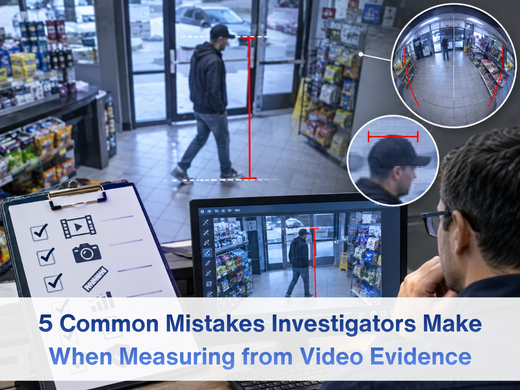
A hallway camera with a wide-angle lens doesn’t just capture a scene it bends it. Straight edges curve. Distances near
A security camera catches a suspect’s face for less than a second, at low resolution, in bad lighting, from thirty
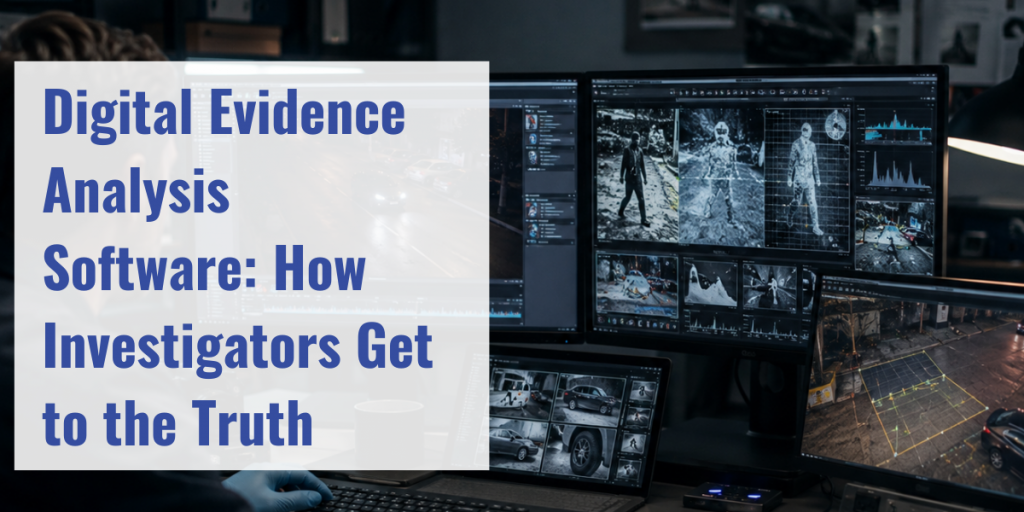
Digital evidence rarely arrives clean. It’s a shaky phone video, a grainy security camera clip, a photo someone’s not sure
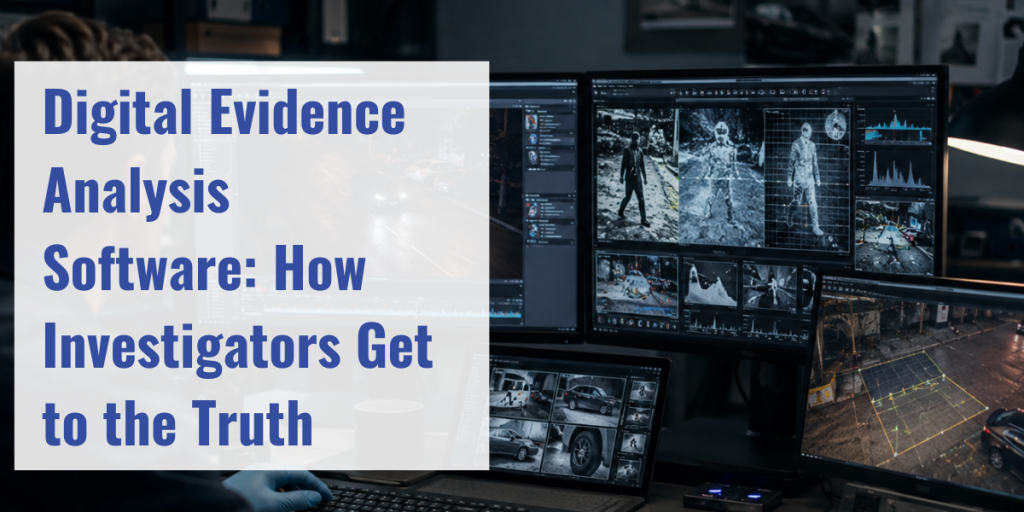
Most CCTV footage isn’t shot for court. It’s shot for cheap storage and wide coverage, which means by the time it matters, the moment