
In today’s society digital investigations depend on electronic evidence. From corporate breaches to criminal investigations, the ability to collect, analyze, and present digital evidence has become critical. Proper instruction ensures investigators not only understand the theory but can also apply it in real-world scenarios. Digital forensic training provides essential knowledge and tools and practical skills to elite Law Enforcement, Military, Public Safety, and Government Agencies worldwide to conduct investigations while protecting evidence integrity.
Daetech Systems as a leading provider of forensic technology solutions offers programs which combine classroom instruction with practical lab training. Their goal is to develop skilled professionals who can manage complicated cases with effective problem-solving abilities.
Why Digital Forensic Training is Essential
Digital investigation methods are undergoing rapid changes in their operational methods. Modern devices and software and data storage systems have evolved into more complex systems which make traditional investigative methods inefficient. A well-designed digital forensic training program prepares participants to manage this complexity.
Through structured learning, attendees gain a deep understanding of evidence acquisition, analysis, and reporting. The training program educates investigators about key compliance requirements which enable them to maintain chain-of-custody procedures while protecting digital evidence integrity. The Daetech Systems controlled environment allows participants to learn by applying real-world solutions under expert guidance.
What You Learn in a Forensic Investigator Course
A forensic investigator course teaches students how to apply theoretical concepts in real-life situations. Participants study multiple subjects which include storage forensics and memory analysis and network monitoring and mobile device investigation. Participants learn about legal requirements and documentation processes and reporting standards.
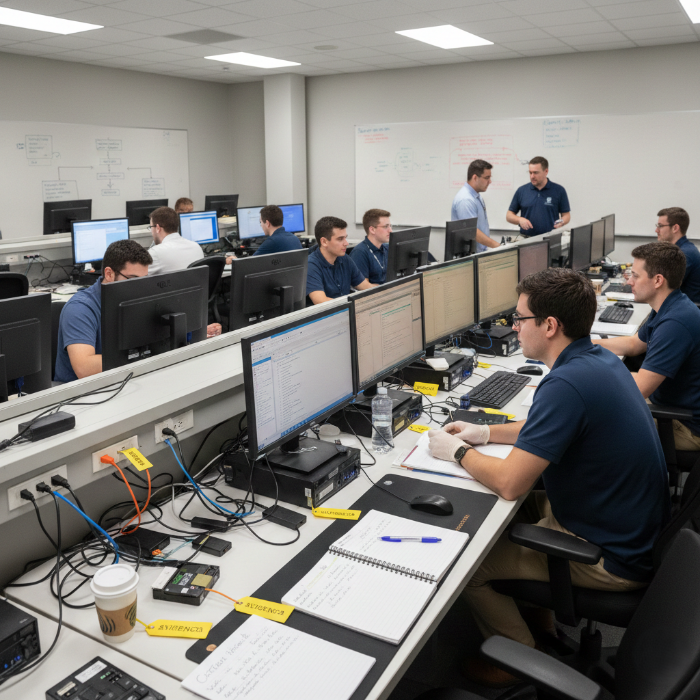
Daetech Systems ensures that its forensic investigator course provides hands-on experience with industry-standard tools and software. Trainees use laboratories which mimic authentic investigative environments to practice data acquisition and analysis processes. This method creates operational skills and confidence which allows learners to adapt to work settings.
Key skills taught in a forensic investigator course include
- Secure data acquisition through specialized methods
- The process of investigating system and application artifacts
- The process of creating visual timelines of events
- The procedure of creating evidence-ready documentation
- The process of confirming and matching experimental results
Hands-On Training and Real-World Applications
One of the strongest features of Daetech Systems’ digital forensic training is its emphasis on hands-on exercises. Students don’t just read about processes they actively perform them. The participants use lab workstations to carry out digital evidence acquisition and analysis through simulated cases while following industry standard protocols.
The forensic investigator course also teaches how to operate secure forensic computers, manage large datasets, and maintain a clean workflow to prevent evidence contamination. The practical skills which students learn become essential for law enforcement agencies and corporate security departments and IT specialists who work in incident response.
The combination of theoretical instruction and practical labs enables trainees to understand investigative processes more effectively. The students learn how to make evidence-based decisions while validating outcomes to develop reports which maintain legal defensibility.

Who Benefits from Digital Forensic Training
Organizations across various sectors have recognized the critical need for professional digital forensic training. Law enforcement agencies can reduce case backlogs by equipping officers with investigative expertise. Security teams and corporations enhance their internal investigation and data breach response and compliance audit processes through their investigation capabilities.
The forensic investigator course serves elite Law Enforcement, Military, Public Safety, and Government Agencies worldwide The structured training from Daetech Systems enables teams to establish standardized methods which increase their operational effectiveness while ensuring proper evidence management.
Why Choose Daetech Systems
Daetech Systems provides forensic technology solutions and training programs which have established them as a trustworthy solution provider. The company possesses expertise in software development and operational investigations which enables them to understand the genuine difficulties that investigators encounter. The training courses provide students with measurable skills which they can use in practical situations instead of learning theoretical concepts.
Students benefit from expert instructors, carefully designed labs, and a curriculum that evolves with the latest technologies and investigative techniques. The digital forensic training at Daetech Systems enables participants to develop proficiency and confidence which prepares them for future work challenges.
Conclusion
The complexity of digital investigations has reached its highest point, which requires investigators to undergo training that guarantees their work will meet all standards for accuracy and reliability and legal requirements. Digital forensic training enables participants to learn proper digital evidence collection methods and analytical techniques and reporting skills through direct experience.
The Daetech Systems forensic investigator course uses actual case work and practical laboratory work and expert teaching to prepare students and investigative teams for successful case resolution. The structured training programs that organizations and professionals choose from accredited training organizations will help them achieve better case results while decreasing mistakes and protecting the quality of their digital evidence.
The Daetech Systems training program provides participants with skills that they can use in their work while they gain confidence in their abilities and learn about digital forensic investigation methods. The training programs serve law enforcement agencies and corporate security teams and IT incident response teams by helping students develop into effective and trustworthy forensic experts.
FAQ’s
- What is digital forensic training?
The training program for digital forensics teaches students the complete process of gathering and safeguarding digital evidence which includes computer and network and storage device evidence through forensic analysis until they present their findings in a legal procedure while upholding custody protocols and all applicable legal standards.
- Who should enroll in a forensic investigator course?
The forensic investigator course serves as an appropriate training program for law enforcement officials and cybersecurity specialists and IT system managers and corporate security personnel and all individuals who work with digital evidence.
- What skills will I gain from digital forensic training?
The training program enables participants to acquire skills which include data collection and artifact examination and timeline development and report composition and evidence authentication. The practical laboratories assist in developing confidence for actual investigative procedures.
- How is a forensic investigator course different from basic cybersecurity training?
The forensic investigator course provides training specifically for post-incident analysis through its focus on evidence preservation and creation of legally defensible security reports which document security breaches and digital crimes.
- Why choose professional digital forensic training instead of self-learning?
The professional digital forensic training program offers students a complete learning experience which includes structured educational content and expert instructors and practical laboratory work and access to industry-standard tools to develop their skills for competent fieldwork and accurate investigation results.