
Modern investigations depend a lot on the ability to analyze video and image evidence with a kind of… precision you know, like really. From surveillance snippets and CCTV recordings to multimedia evidence that comes in from multiple devices, investigators have to process these complex visual streams while keeping accuracy and evidentiary integrity, sort of intact the whole time.
Standard media tools are usually not built for forensic conditions, especially not when the footage is poor quality, when there is motion blur, compression artifacts, or when the investigative datasets are huge and keep coming. So yeah, it gets messy fast if you try to do this with “regular” software.
Cognitech technologies are designed for forensic imaging, video enhancement, and analytical workflows used in law enforcement as well as military operations. These solutions, integrated through Daetech Systems, support investigative teams with stronger tools for forensic video analysis, scene reconstruction, image clarification, and evidence examination that is measurable, not just visual guessing.
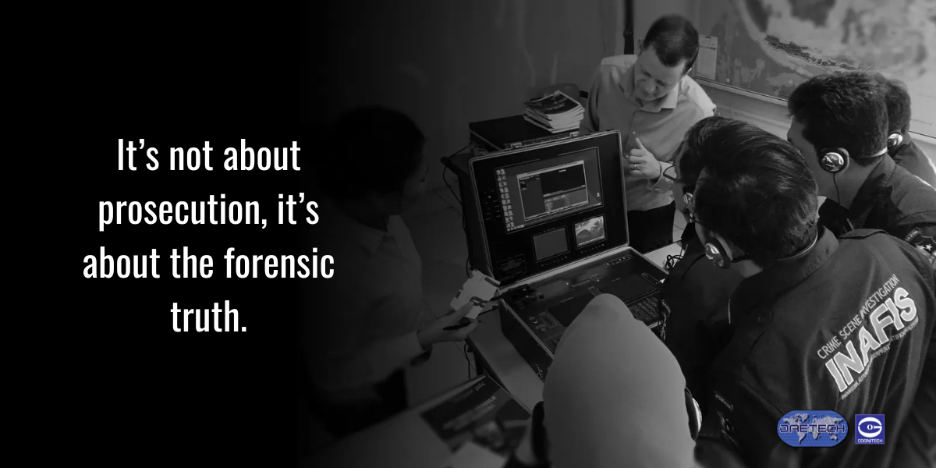
Supporting Modern Digital Investigation Workflows
Real modern investigations need more than watching footage. Analysts have to review, enhance, compare, measure, and interpret the evidence in a structured way that they can repeat later. Also, the workflow must protect the original evidence while still letting them do deeper forensic analysis, without shortcuts or “we’ll just re-export it” vibes.
Cognitech solutions meet those needs using integrated forensic imaging systems built for operational environments. Their tech assists investigators across the full path of a digital forensic investigation, starting from evidence acquisition, then enhancement and calibration, plus tracking, and finally analytical review.
Because these systems are used where visual evidence matters a lot, they help teams stay consistent. By combining enhancement and analysis in one unified workflow, investigators can move faster through the material while keeping the same standards across the case.
Advanced Video Processing for Forensic Analysis
Often the usefulness of evidence is tied directly to how the recording came out. Surveillance video may be hit by low lighting conditions, camera shake, low resolution, optical distortion, or compression issues that make interpretation harder, or just plain unreliable.
Cognitech technologies handle these issues with advanced video processing features made for forensic use. The tools can stabilize the footage, improve image clarity, reduce distortions, and pull out the key details within the recorded evidence, even when the source quality is not cooperating.
Also, unlike standard editing software, forensic enhancement needs to be structured and repeatable. Investigators must keep evidence integrity, and they need to document the enhancement methods used during analysis. That kind of control matters a lot, especially since forensic work may later be validated or re-checked, so the trail has to make sense.
Tri-Suite 64 and Integrated Forensic Imaging
One major part of the Cognitech ecosystem is Tri-Suite 64. It combines several forensic technologies into a single investigative platform, which is kind of the point. The suite integrates VideoActive®, Video Investigator®, and AutoMeasure® so teams can run enhancement, analysis, tracking, and measurement workflows inside one environment.
VideoActive® supports forensic video acquisition, conversion, enhancement, calibration, and fusion workflows. Video Investigator® adds analytical tools for examining still images and video evidence, including tracking and enhancement functions used during forensic review.
Together, these systems increase investigative strength by giving analysts a consistent forensic framework. That consistency helps when visual evidence is complicated, large, or just not easy to handle in normal tools.
Precision Measurement Through Photogrammetry Software
Increasingly, investigations lean on measurable evidence instead of plain visual interpretation. This is where photogrammetry software becomes extremely useful.
Cognitech AutoMeasure® supports forensic scene measurement and reconstruction from images and video evidence. Investigators can estimate dimensions, assess spatial relationships, compute distances, and do scene analysis directly using what is captured visually.
When photogrammetry software is integrated into forensic workflows, analysts can turn visual data into measurable results. That supports more accurate investigative conclusions, not just narrative.
This matters a lot for scene reconstruction, subject measurement, and evidence interpretation tasks, where “close enough” does not really cut it.
By linking forensic measurement with enhancement and analytical review, investigators can work with both visual clarity and scientifically measurable data, inside a digital forensics investigation that actually holds up.
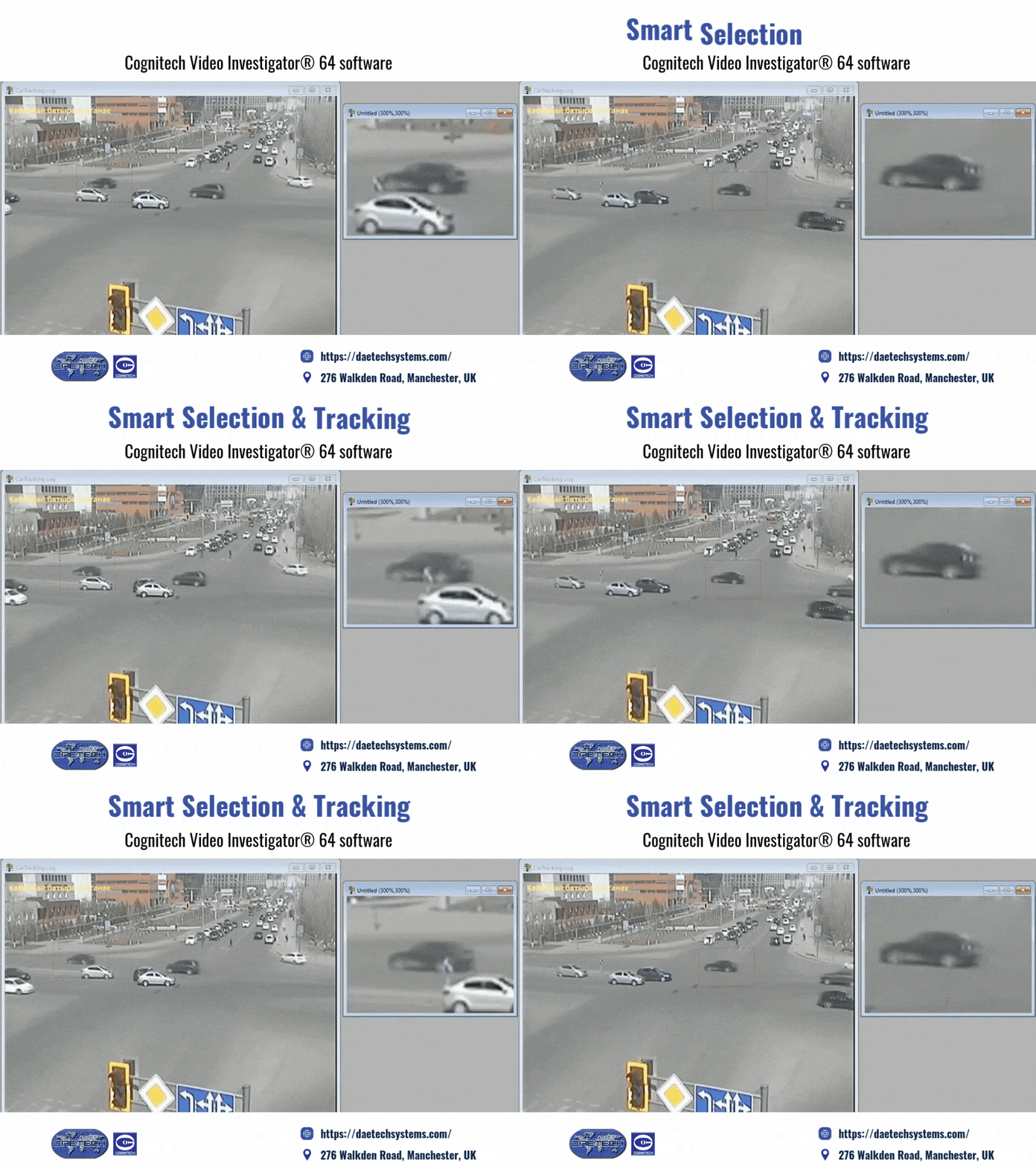
Smart Tracking and Analytical Review
Investigative footage often includes multiple moving subjects, shifting viewpoints, and complicated environments. Forensic analysis needs tools that can isolate relevant details and track movement accurately across entire video sequences, not just in one frame.
Cognitech technologies include smart selection and tracking capabilities that help investigators follow objects or subjects through enhanced footage. This supports deeper analytical review while improving investigative efficiency during video examination.
And because the video processing workflows can combine enhancement, stabilization, and tracking inside one forensic environment, the process stays less fragmented. That also improves consistency across the evidence review, rather than turning the workflow into a patchwork of separate tools.
Built Around Scientific and Forensic Methodologies
Forensic investigations need analytical methods that are, kind of structured, repeatable, and still scientifically reliable. During evidence processing it is important to keep authenticity intact but also let investigators do meaningful analysis, without damaging integrity. So you can’t just move fast, you have to stay correct.
Cognitech technologies are built around forensic imaging methodologies that were developed specifically for investigative work, not just general imaging. Their enhancement and analytical workflows, support a more controlled evidence examination approach that is used in law enforcement and military environments.
And then there’s the scientifically driven photogrammetry software integration. It helps make investigative reliability stronger because it enables measurable scene analysis, plus repeatable evaluation methods for forensic review, across different situations.
Cloud-Based Investigative Access
In modern investigative environments there’s often a real need for flexibility when reviewing evidence and running analysis. Cognitech supports remote investigative workflows through My Cognitech Cloud (MC2), so forensic software access can happen in cloud-based environments using desktop and tablet systems, instead of being locked to one workstation.
In practice this means investigative teams can review and process visual evidence more efficiently, while still having access to forensic analytical tools even when they’re operating across different locations or conditions.
Conclusion
Digital evidence keeps expanding in modern investigations, so advanced forensic imaging and analytical technologies become more and more important for law enforcement and military operations.
Cognitech solutions bring together capabilities for forensic enhancement, analytical review, tracking, measurement, and scene reconstruction, all inside structured investigative workflows. With advanced video processing, intelligent photogrammetry software, and comprehensive support across every phase of a digital forensics investigation, these tools help investigators understand visual evidence with more precision, better consistency, and increased confidence, even when the case gets complicated.
FAQ’s
- What is forensic video processing?
Forensic video processing is the process of enhancing, analyzing and reviewing video evidence using specialized tools built for investigative and forensic environments. These technologies assist with enhancing clarity, stabilizing footage, and enabling detailed examination of evidence while maintaining the integrity of the original recording.
- What is the role of photogrammetry in investigations?
Photogrammetry allows investigators to extract measurable data from pictures and video footage. It can assist in determining distances, heights, angles, and spatial relationships, aiding in more precise reconstruction of the scene and analysis of evidence.
- Why is video enhancement important in digital investigation?
Many surveillance recordings suffer from low lighting, blur, compression artifacts, or poor resolution. Tools for improving video help investigators to make things more visible and to spot important details that might not be clear in the original footage.
- Do forensic imaging tools support scene reconstruction?
Yes. Advanced forensic imaging systems can help in reconstruction of crime scenes by integrating measurement tools, enhancement technologies, and analytical workflows to more precisely evaluate visual evidence.
- Who is using forensic video analysis technology?
These technologies are extensively used by law enforcement agencies, military organizations, forensic analysts, and investigative professionals working with digital evidence and surveillance media.