
Introduction
Today, digital evidence analysis is a must-have skill for every investigator. It’s become a requirement for the job. New technologies come to the market, criminals perfect their methods and professionals must learn about the coming advances in equipment and methods. The structured digital forensic training program is a vital training resource for investigators to develop the necessary skills for overcoming real fieldwork challenges.
Daetech systems education programs provide students with real world experience as part of the training method. Their system combines traditional investigation methods with cutting-edge technological advances, allowing their staff to work with new software and hardware advances every day.
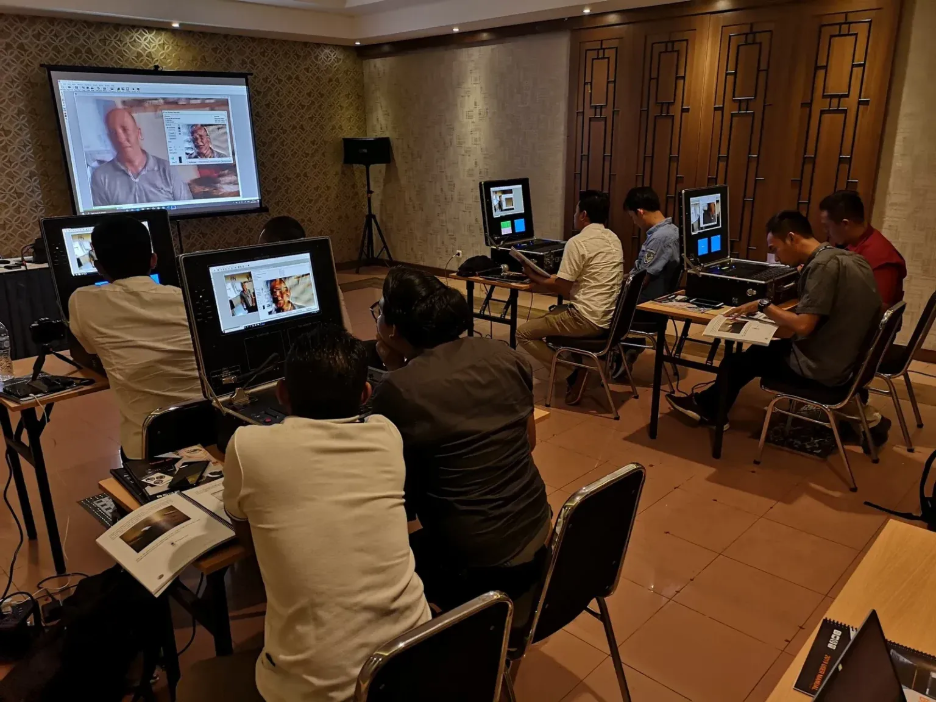
Building Strong Investigative Skills
The investigation process requires all investigators to have proper training because it builds the necessary experience for successful case resolution. Advanced tools become useless when users lack essential training to operate them. The established forensic investigator course delivers all necessary training elements which students require to develop digital evidence handling skills.
These programs focus on practical instruction, allowing participants to understand investigative processes such as data handling, analysis, and reporting. Real-world scenarios provide learners with the practical experience necessary for their upcoming operational tasks.
Training environments use video training software to create interactive platforms, which enable participants to study educational material through visual demonstration while practical demonstrations help them learn.
The Role of Hands-On Training
Investigators need more than theoretical knowledge to conduct successful digital investigations. Professionals must prove their ability to apply learned material through actual field tests. Digital forensic training requires direct hands-on experience, which stands as its most important element.
Training programs require participants to practice through direct work with investigation tools and systems which they will use throughout their professional career. The method creates a bridge which connects theoretical knowledge with practical implementation, which lets investigators operate with assurance during actual fieldwork.
The video training software introduces another element which helps users learn through visual material while receiving structured teaching, which leads to improved understanding and retention of information.

Enhancing Learning Through Structured Instruction
Modern training approaches focus on delivering clear, structured learning experiences. The training program combines conventional educational methods with contemporary educational tools to provide all participating students with guaranteed educational outcomes.
The video training software enables learners to study training material through demonstration videos, which lets them engage with the system at their own learning speed. The approach supports different learning methods while maintaining its emphasis on practical results.
The structured forensic investigator course establishes a comprehensive framework which guides students through the successful examination of all fundamental digital investigation elements.
Preparing for Operational Environments
Investigators must handle sensitive digital evidence when conducting their investigations. Professionals require training that teaches them to conduct their business activities without errors.
Comprehensive digital forensic training programs teach participants to handle evidence through controlled methods which achieve consistent results. Investigative procedures become reliable through this method, which ensures they match operational requirements.
The training programs prepare trainees for actual working conditions because they help trainees develop skills to manage both upcoming technological changes and investigation challenges.
Continuous Learning and Development
Digital forensics requires professionals to complete ongoing education and skill-building activities. Technology professionals must learn about emerging technologies while acquiring new investigative methods to maintain their job performance.
The forensic investigator program establishes specific program structures which help students advance their skills through controlled learning activities. The training program uses video training software as its core software component, which creates a full training environment that enables continuous training.
Start Your Forensic Training Journey
Connect with Daetech Systems to explore hands-on training programs designed for law enforcement and military professionals.
Learn MoreConclusion
The efficiency of investigations depends on the training quality which investigators receive during their training sessions. The combination of practical teaching methods and organized educational programs enables modern training programs to prepare investigators for accurate digital evidence handling in their professional practice.
Digital forensic training provides professionals with practical learning opportunities through its structured courses and video training software, which enables them to acquire essential skills for current investigative work.
FAQ’s
- Why is it important for investigators to receive digital forensic training?
Training in digital forensics instructs investigators on the correct way to gather and examine digital evidence. This ensures that they can apply the correct methods in the real world while ensuring consistency and reliability throughout the investigative process.
- What are the advantages of practical training over theory?
Hands-on training provides participants with the opportunity to use the tools and systems used in investigations. This hands-on approach increases understanding and helps to bridge the gap between knowledge and real-life applications.
- What is included in a forensic investigator course?
A typical forensic investigator course covers the processes of data handling, analysis, and reporting. It provides a structured learning path, enhanced by practical exercises so that participants can use their knowledge effectively in operational settings.
- How does training with video-based learning support it?
Video-based learning allows participants to learn complex concepts via visual demonstrations. Learners can work through step-by-step processes and review materials, which makes it easier to retain information and use it during investigations.
- For whom are these training programs intended?
These programs are tailored to law enforcement, state security and military personnel who require structured and practical training on the management of digital evidence within investigative environments.